Loading...
Serving Altoona, PA and surrounding areas. (814) 552-1335
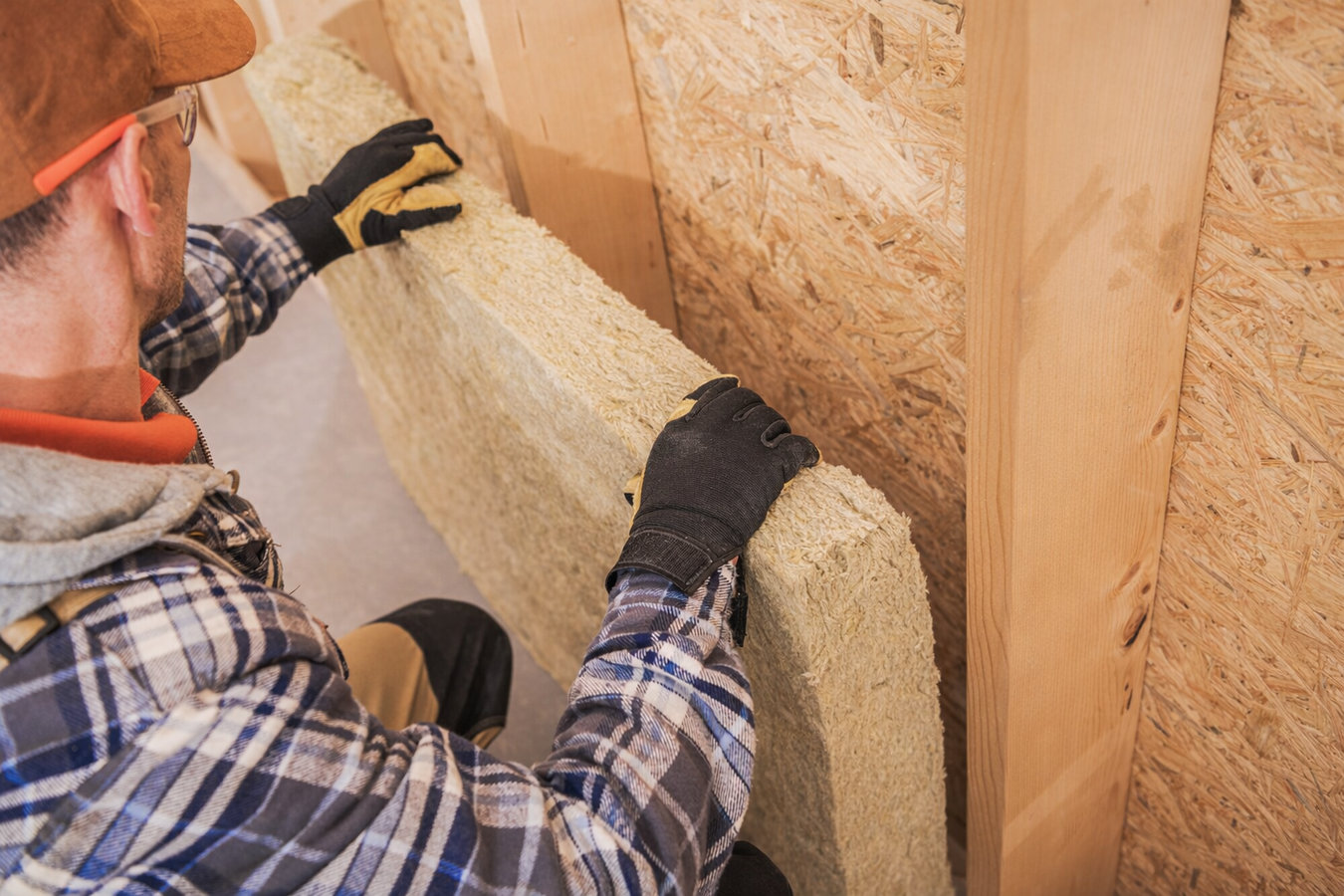
Older Altoona homes lose heat through empty wall cavities every winter. We fill them and keep that warmth where it belongs - inside your home.
Wall insulation in Altoona fills the empty cavities inside your exterior walls to slow heat from escaping, most jobs on a standard two-story home are completed in a single day with no need to leave the house.
A large share of Altoona homes were built before 1940, when wall cavities were routinely left empty. If your home is more than 50 years old and has never had insulation work done, your walls may be doing almost nothing to slow heat loss on cold January nights. That means your furnace runs harder, your rooms feel colder, and your heating bills climb every winter. Pairing wall insulation with air sealing services is one of the most effective ways to address both heat loss and drafts at the same time.
Run your hand along an interior wall surface on a cold morning. If it feels noticeably cold to the touch, heat is escaping through the wall rather than staying in your living space. Altoona winters are long enough that this difference adds up to real money over five or six months of heating season.
Hold your hand near an electrical outlet or light switch on a wall that faces outside. If you feel cool air moving, cold outside air is finding its way into your wall cavity and through the gaps around the electrical box. This is especially common in Altoona's older homes, where wall cavities were never insulated.
If bedrooms or corners of your living room feel significantly colder than interior rooms - even with the heat running - the walls on the outer shell of your home are likely letting heat escape faster than your furnace can replace it. This is a classic sign of missing or degraded wall insulation.
If your home is more than 40 years old and has never had insulation work done, there is a strong chance your walls have either nothing in them or material that has settled and lost most of its effectiveness. Age alone is a reasonable trigger for getting a professional assessment scheduled.
We work on finished and open walls using the method that fits your home. For already-finished walls, we use the drill-and-fill method: small holes are drilled at regular intervals, material is blown in until the cavity is packed, and the holes are patched and finished before we leave. The process is thorough, and we verify fill density before closing anything up. If your walls are open during a renovation, we can install batt insulation between studs before the drywall goes up, which is faster and costs less.
Walls and air gaps work together. Many homeowners who upgrade their wall insulation also benefit from air sealing services to stop drafts around outlets and framing, and from blown-in insulation when the attic also needs attention. Doing both in a single visit is usually more cost-effective than scheduling them separately.
Best for finished walls where you want minimal disruption. Small holes are drilled, filled, and patched in a single day.
Ideal for homes under renovation where studs are exposed. Batts fit precisely between framing and go up before the drywall.
A higher-density blown-in method suited for walls in high-wind or very cold exposures where a tighter fill is needed.
For homeowners who want the full benefit: wall cavities filled and gaps around outlets and framing sealed in one visit.
Altoona sits in the Allegheny Mountains in Blair County, where winters are long and genuinely cold. Average January lows hover around 18 degrees, and the area regularly sees heavy snowfall from November through March. That kind of sustained cold means under-insulated walls are not just slightly uncomfortable - they drive heating bills up for months at a time. The older housing stock here compounds the problem. A large share of Altoona homes were built between the 1880s and the 1950s, when wall cavities were often left completely empty or filled with materials like sawdust that have long since lost any insulating value. Homeowners in Hollidaysburg and Duncansville face the same conditions and see the same benefits when wall cavities are properly filled.
There is also a practical incentive right now. Penelec, the electric utility serving Blair County, participates in Pennsylvania's Act 129 energy efficiency programs, which can include rebates for qualifying insulation improvements. Federal tax credits for home energy upgrades are also currently available. Between those programs and the monthly savings on your heating bill, the return on wall insulation tends to be faster in this climate than in milder parts of the country. One note for owners of pre-1940s homes: some of these properties have older knob-and-tube wiring inside the wall cavities. A responsible contractor will identify this during the assessment and flag it before any work begins.
We will ask a few basic questions about your home - its age, whether your walls are finished or open, and what is prompting you to reach out. You will hear back within one business day to schedule an in-person assessment.
We walk through your home, look at the exterior walls, and check for anything that affects the job - siding type, wall thickness, and signs of moisture or old wiring. In older Altoona homes this step matters a lot; surprises inside the wall need to be identified before work begins. The visit usually takes 30 to 60 minutes.
After the assessment, you receive a written estimate breaking down cost by area. It explains what material is being used and how we plan to access the wall cavities. We welcome your questions at this stage - a trustworthy contractor will not rush you past them.
The crew drills small holes, blows material in until each cavity is fully packed, verifies fill density, then patches and finishes every hole before leaving. Most jobs are done in a single day. Your home is fully usable the moment we leave - no curing or waiting period required.
Free estimate. Written quote. No pressure - just honest answers about your home.
(814) 552-1335We check that each wall cavity is fully packed - using density verification - before we close anything up. This is what separates a complete job from one that leaves air pockets you will never see but will always feel in your heating bills.
We work on Altoona's pre-1940s housing stock regularly, including homes with knob-and-tube wiring, plaster walls, and thick brick exteriors. We flag concerns during the assessment so you are never surprised mid-project. The North American Insulation Manufacturers Association provides the industry standards we follow for proper dense-pack installation.
Penelec's energy efficiency program can offset a meaningful portion of your project cost, but only if the work is documented correctly. We handle the paperwork on our end and walk you through what to submit, so you do not leave money unclaimed because of a missed form.
Every wall insulation job starts with a free written estimate that spells out materials and labor. We document the finished work so you have a clear record of exactly what was dense-packed into your walls.
These proof points add up to a simple promise: we show up prepared, do the work correctly, and leave your home in better shape than we found it. NAIMA industry standards guide our installation practices on every job.
Stop drafts at their source by sealing gaps around outlets, pipes, and framing throughout your home.
Learn MoreExtend the same dense-pack approach to your attic and other areas that need insulation coverage.
Learn MoreAltoona winters start early and run long - get your walls done before the first cold snap hits and start saving right away.