
Loading...
Serving Altoona, PA and surrounding areas. (814) 552-1335
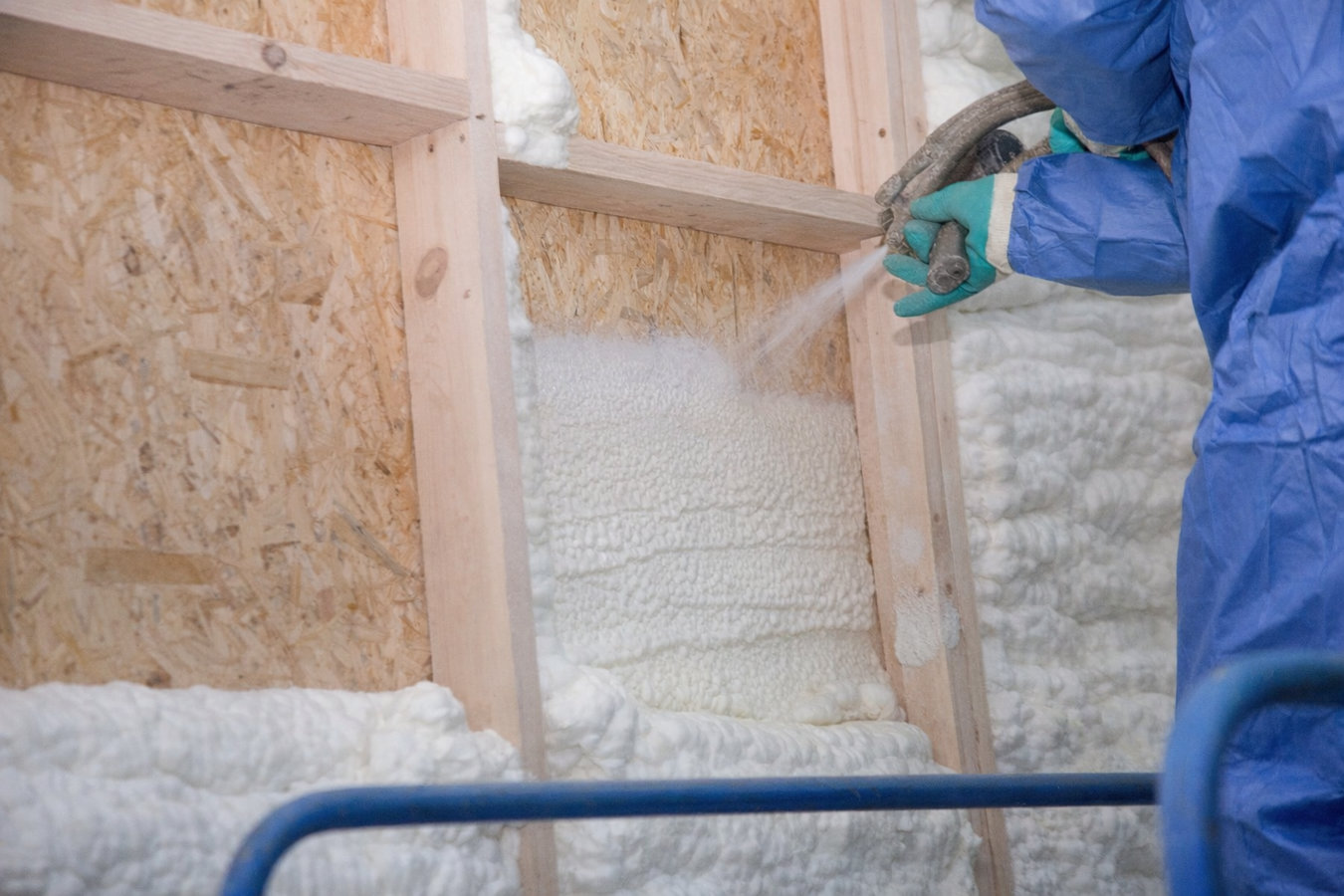
Cold floors and rising heating bills are a sign your basement is working against you. We insulate and seal it so heat stays where you need it - in your living space.
Basement insulation in Altoona creates a barrier between the cold ground and your living space - most jobs take one to two days and the space is usable again the same day the crew finishes.
If you are living in an older Altoona home, there is a good chance your basement has never been insulated. Heat rises through the floor above an uninsulated basement whether or not you ever go down there. That means your furnace is running longer, your floors stay cold, and your heating bills climb every October without any obvious cause.
Basement insulation is often done alongside closed-cell foam insulation at the rim joist - the framing strip right above your foundation wall - because sealing that gap on its own makes a noticeable difference in how warm the floor above feels.
If the floor in your kitchen or living room feels noticeably cold underfoot during an Altoona winter, the basement below is pulling heat out of the room. This is one of the most common complaints from homeowners in older Altoona neighborhoods where the basement ceiling has never been insulated. You should not need slippers inside your own home from October through April.
If your gas or electric bill jumps significantly each fall and stays high through March, an uninsulated basement is one of the most likely culprits. Altoona's long heating season amplifies this effect - heat you are paying for escapes through basement walls and the floor before it ever reaches your living space. A quick year-over-year comparison of your bills can help you see the pattern.
Altoona's clay-heavy soils and valley location mean water moves toward foundations during wet seasons. If you smell something damp or earthy in your basement, or see moisture beading on the walls after a heavy rain, that is a sign the basement environment needs attention before insulation goes in. Addressing moisture first protects any insulation investment you make.
If a plumber has ever warned you about pipes in your basement, or if you have had a freeze-up during a cold snap, your basement is not holding heat the way it should. Altoona's sub-freezing winters make this a real risk in homes where the basement walls are bare. Insulating those walls keeps the space warm enough to protect your plumbing.
Basement insulation is not a one-size job - the right approach depends on whether your basement is heated or unheated, how your foundation walls are built, and what your priorities are. We insulate foundation walls for unfinished basements where the goal is keeping the perimeter warm, and we insulate the basement ceiling where the goal is protecting the living space above without conditioning the basement itself. In many Altoona homes, the rim joist is the biggest air-leakage point in the entire basement, so pairing insulation with closed-cell foam insulation at the rim joist is the most cost-effective way to address both heat loss and cold-air infiltration at once.
For homes with irregular foundation surfaces - common in Altoona's pre-1950 housing stock - spray foam conforms to stone and brick surfaces in ways that rigid boards simply cannot. We walk through your specific basement during the estimate and recommend the approach that makes the most sense for your home's construction. Many homeowners combine basement insulation with crawl space insulation when part of their lower level involves a crawl space rather than a full basement.
Suited for unfinished basements where insulating the perimeter walls is the most direct path to warmer floors above.
Ideal for homeowners with unheated basements who want to protect the living space above without conditioning the basement itself.
Targets the framing gap right above your foundation wall - one of the highest-impact air-leakage points in any basement.
Best for basements with irregular surfaces, moisture concerns, or where combined insulation and air sealing is the priority.
Altoona sits in Blair County in the Allegheny Mountains, where average January lows drop into the mid-teens and the heating season runs six or more months. That long, cold stretch means an uninsulated basement is actively costing you money for a large portion of every year. The city's housing stock makes this even more pressing - a large share of Altoona homes were built between the 1880s and the 1950s, when basement insulation simply was not part of standard construction. Many of those homes have stone or brick foundation walls that have never been sealed or insulated since the day they were built. Homeowners in Hollidaysburg and Duncansville face the same combination of old housing stock and cold winters that makes this upgrade one of the highest-return projects you can do on a Blair County home.
Moisture is the other local factor that shapes how basement insulation gets done here. Altoona and Blair County sit in a valley with clay-heavy soils that hold water and drain slowly. After heavy rain or spring snowmelt, that moisture pushes against foundation walls and can find its way inside. Any contractor working in this area should assess for moisture intrusion before recommending an insulation approach - skipping that step in Altoona's wet climate can lead to problems that cost far more to fix than the insulation itself. The U.S. Department of Energy recommends addressing moisture before insulating any below-grade space.
When you reach out, we ask about your basement size, whether it is finished or unfinished, and whether you have had any water issues. We can typically schedule an in-home visit within one business day - no charge for the estimate.
We walk through your basement, check for moisture, gaps, and any issues that need addressing before insulation goes in. This visit takes 30 to 60 minutes, and we give you a written estimate that breaks down the scope, materials, and total cost.
Before installation day, clear the basement walls and ceiling of boxes, shelving, furniture, and anything stored near the areas we will be working. The crew needs clear access to every surface they are insulating.
Most standard basement jobs are completed in a single day. Before the crew leaves, walk through the finished work with the lead installer. There is no curing period for most insulation types - you can use the space right away.
Free written estimate - no obligation. We respond within one business day.
(814) 552-1335Every basement job starts with a free written estimate that spells out materials and labor. We document the finished work so you have a clear paper trail from the first day of the job.
Pennsylvania homeowner protection resourcesAltoona's valley location and clay-heavy soils make basement moisture a real concern, not a hypothetical one. We check for signs of water intrusion during every estimate and flag anything that should be addressed before we install a single panel or spray a single inch of foam.
A large share of Altoona's housing stock dates to the railroad era, with stone or brick foundations that require more prep work than a standard poured-concrete basement. We know what to look for in older homes and price accordingly - no surprises after we start.
You receive a written estimate that breaks out the scope of work and materials before we start. Disposal fees, air-sealing prep, and any extra steps are in the estimate - not added as a line item when the job is done.
Every proof point above reflects how we actually do the work - not a checklist we print on a brochure. When you call us, you get a contractor who checks the basement before recommending a solution and gives you a written estimate before touching anything.
High-performance spray foam that insulates and seals basement rim joists and walls in a single application.
Learn MoreSeal the space below your first floor to stop cold air and moisture from entering your home from underneath.
Learn MoreHeating season starts in October - schedule your assessment now and feel the difference this winter.