
Loading...
Serving Altoona, PA and surrounding areas. (814) 552-1335
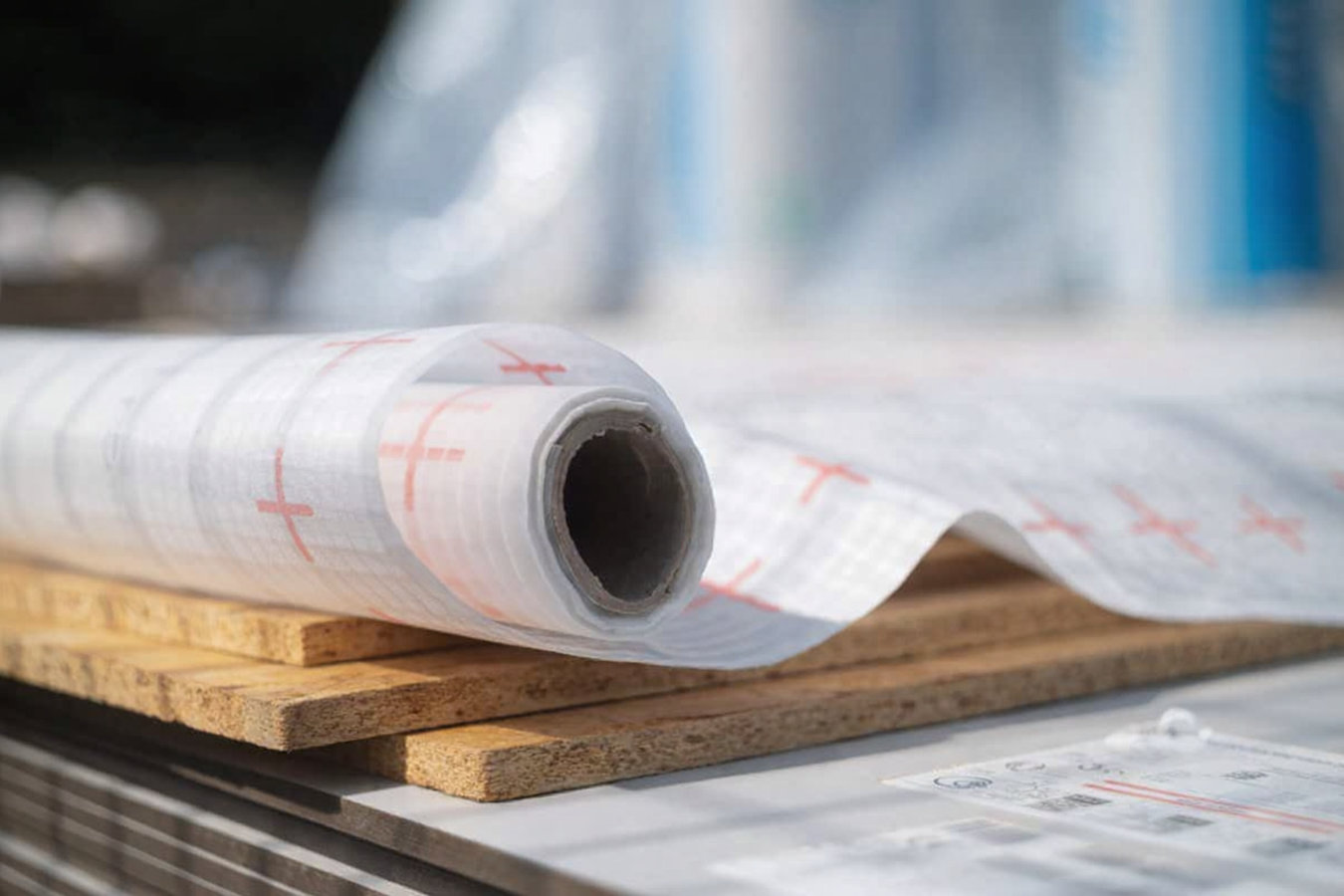
Ground moisture rising through your crawl space floor causes rot, mold, and drafty rooms. A professionally installed vapor barrier seals it out for good.
Vapor barrier installation in Altoona covers the exposed soil floor of your crawl space with heavy-duty plastic sheeting, sealed at every seam and anchored to the foundation walls, most jobs completed in a single day with no disruption inside the home.
Without a barrier, ground moisture travels upward through your floors and walls - quietly causing wood rot, mold, and higher heating bills before you ever notice a problem. Altoona's long, wet winters and clay-heavy soils make this especially common in Blair County homes. If your home smells musty or has floors that feel soft underfoot, your crawl space is likely the source.
Vapor barrier installation works best when paired with attic air sealing - together the two address moisture and air leakage at both ends of your home, which is where most of the heat and comfort loss in older Altoona houses actually happens.
If your home has a damp, earthy odor that gets worse after Altoona's spring thaw or a stretch of wet weather, moisture is rising from an unprotected crawl space below. That smell means mold or mildew is already growing somewhere beneath your living space - and it will not go away on its own.
When moisture reaches wooden floor joists over a long period, those boards weaken and begin to flex. Spots where the floor gives a little more than it should - especially in older Altoona homes with original wood framing - are a sign moisture damage below may already be underway.
Water droplets forming on metal pipes or HVAC ducts in the crawl space mean the air down there is heavily loaded with moisture. This condensation happens when warm, humid air from the ground meets cooler metal surfaces - and it signals an active, ongoing moisture problem that needs to be addressed.
A crawl space that is damp and unprotected loses heat steadily through the floor. If your gas or electric bills have risen over the past year or two and you have not changed your habits, a poorly sealed crawl space may be part of the reason - and it is worth investigating before another Altoona winter.
We install heavy-duty polyethylene sheeting across the entire crawl space floor, overlapping every seam by at least a foot and taping each joint securely. The material runs up the foundation walls and is fastened in place so moisture cannot sneak in at the perimeter - the part of the job that separates a barrier that lasts 20 years from one that fails in five. If you need protection for a basement or other below-grade space, our full crawl space vapor barrier service covers those applications as well.
Before any barrier goes down, we remove debris, clear standing water, and inspect the wood framing above. If we find early signs of mold or rot, we flag it clearly so you can address it before sealing the space. Every job ends with a walkthrough so you can see exactly what was done and know what to check in your annual inspection.
Covers the full ground surface and seals at the foundation walls - the right starting point for most Altoona homes with moderate moisture exposure.
Thicker material extended fully up the foundation walls - recommended for older homes, high-moisture spaces, or crawl spaces with a history of standing water.
For sealed or encapsulated crawl spaces, a small dehumidifier works alongside the barrier to manage humidity that builds up when ventilation is limited.
For homes with torn, lifted, or outdated barrier material - we remove the old installation completely and replace it with a properly sealed system.
Altoona sits in the Ridge and Valley region of central Pennsylvania, where annual precipitation averages around 40 inches and freeze-thaw cycles through the winter put real pressure on crawl space soil. Blair County's clay-heavy soils drain slowly, which means the ground beneath your home stays wet for extended periods after rain or snowmelt. That consistent moisture, combined with the fact that a large share of Altoona's housing was built before modern moisture control practices existed, means many homes here have crawl spaces that have never been properly protected.
If your home was built before the 1950s and the crawl space has never had any work done, there is a real chance moisture has been doing quiet damage to the wood framing above it for decades. We work with homeowners throughout the region, including Tyrone and Bellefonte, where similar housing stock and soil conditions make vapor barrier installation just as important as it is in Altoona proper. Fall is the best time to schedule this work - before the ground freezes and before another heating season begins.
We ask a few basic questions - the size of your home, whether you have noticed odors or soft floors, and when you last had anyone in the crawl space. You hear back within one business day to schedule an in-person assessment. No price is confirmed until we have seen the space.
A technician inspects the crawl space in person - checking size, soil condition, existing barrier material, and signs of standing water or damaged wood. This typically takes 30 to 60 minutes and the visit is free. We walk you through everything we find and explain exactly what we recommend and why.
On the day of work, the crew removes debris and standing water before any material goes down - this prep is what separates a lasting installation from one that fails early. Then the barrier goes in: full floor coverage, overlapped and taped seams, edges fastened to the foundation walls.
Before we leave, we show you the completed work and explain what to check going forward. A quick visual from the crawl space hatch once a year - especially after Altoona's wet spring - is enough to catch any small tears or lifted edges before they become a bigger problem.
No pressure. We assess your crawl space, explain exactly what we find, and give you a written quote you can compare at your own pace.
(814) 552-1335Pennsylvania Attorney General home improvement resources explain your rights as a homeowner before any work begins.
A large share of Altoona's homes were built before 1950, during the railroad era, and those crawl spaces come with specific challenges - low clearance, clay soil, and decades of unaddressed moisture. We have worked in these spaces across Blair County neighborhoods and know what to expect before we ever open a hatch.
Quality installation means no exposed soil at the edges and no gaps at the seams where moisture can sneak in. We tape every overlap and anchor the edges to the foundation walls with mechanical fasteners - the same standard the Building Science Corporation identifies as the difference between a barrier that works and one that does not.
We will not give you a firm price without physically assessing your crawl space - that would be guessing at your expense. Every estimate is written and breaks down materials and labor separately so you can compare it honestly against any other quote you receive.
Every installation we complete is backed by a thorough assessment, a written estimate, and a post-job walkthrough. We follow Building Science Corporation best practices for vapor barrier installation to ensure the work holds up through Altoona's freeze-thaw cycles and wet springs for years to come.
Address air leakage at the top of your home to complement vapor barrier work below - together they target the two biggest sources of heat loss in older Altoona houses.
Learn MoreFocused crawl space moisture protection with full floor and wall coverage - the targeted solution for homes where ground moisture is the primary concern.
Learn MoreFall is the best time to protect your crawl space before another Altoona winter - contact us now for a free, no-pressure estimate.