Loading...
Serving Altoona, PA and surrounding areas. (814) 552-1335
Altoona Insulation is an insulation contractor serving Johnstown, PA with spray foam insulation, attic insulation, and basement insulation for homes throughout Cambria County. Johnstown homes are older, the winters are long, and moisture from the valley floor is a real problem - we respond within one business day and provide written estimates at no charge.
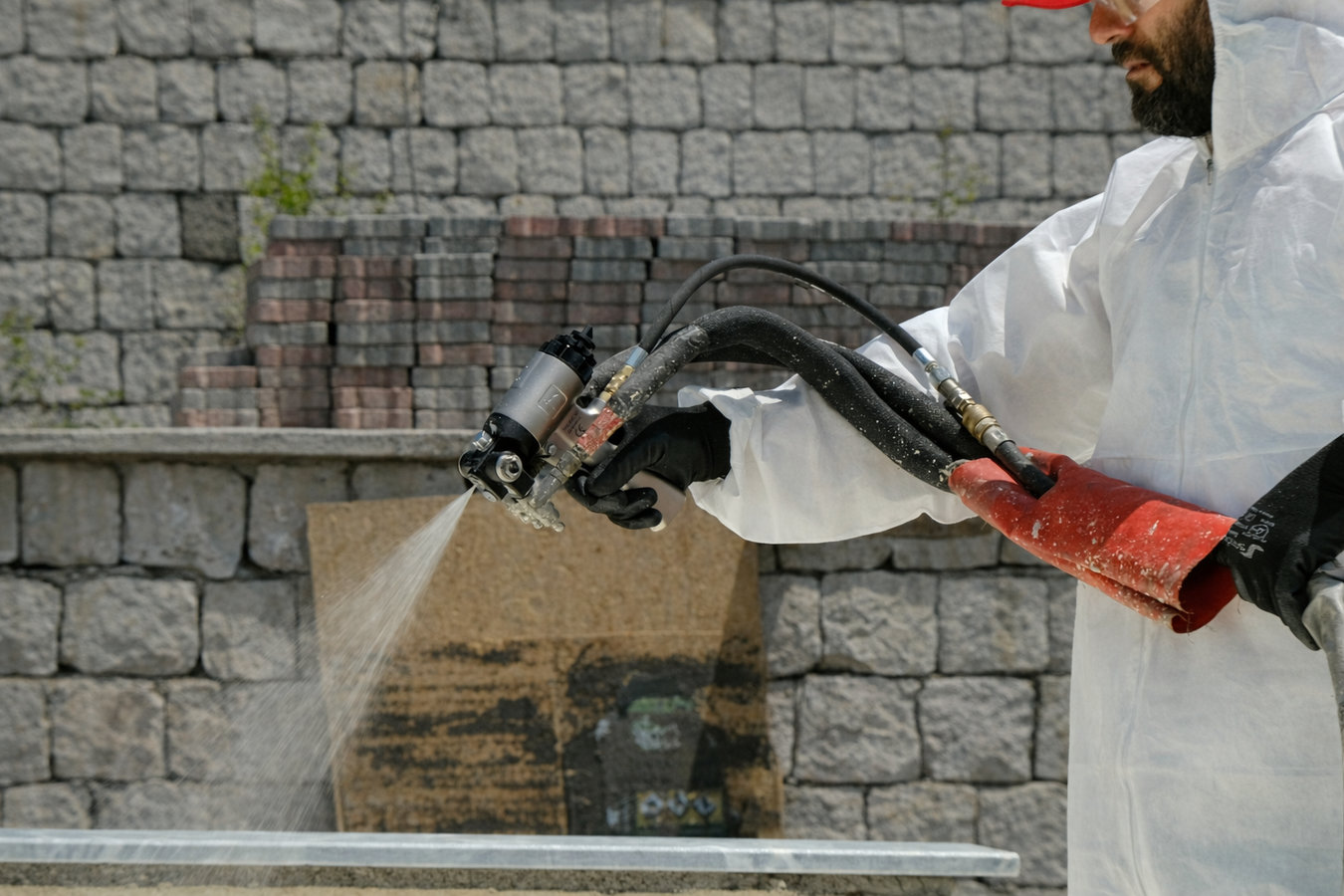
Johnstown row houses and brick worker cottages have rim joists, masonry walls, and irregular framing cavities that need a material that seals and insulates at the same time. Our spray foam insulation service uses closed-cell foam in these locations - bonding directly to brick and mortar, resisting the moisture that works up from the valley floor, and delivering an air seal that does not degrade over time the way older materials do.
Johnstown averages around 50 inches of snow per year, and a thin attic is where most of that heating cost escapes. The pre-1950 homes that fill Johnstown neighborhoods were not built to modern R-value standards, and many have only a shallow layer of original material on the attic floor - a direct contributor to high winter heating bills and ice dams on older rooflines.
Living in a valley between steep hillsides means water collects near foundations during every heavy rain and every spring thaw. Insulating Johnstown basements - particularly at the rim joist and foundation walls - reduces heat loss while also giving homeowners better control over the moisture that is a fact of life in this geography. We often pair this work with vapor barrier installation when the floor is showing signs of ground moisture.
The older brick and wood-frame homes throughout Johnstown's neighborhoods - from the flat streets near downtown to the hillside blocks above the Inclined Plane - often have wall cavities that were never insulated or have original material that has long since settled. Blown-in insulation fills those cavities without disturbing exterior masonry or interior plaster, which matters when the original walls are part of the home's character.
Homes in Johnstown's valley sections - especially those near the Stony Creek and Little Conemaugh rivers - frequently deal with crawl spaces that stay wet from late winter through spring. Insulating and encapsulating these spaces stops ground moisture from migrating up into the subfloor and living areas, and eliminates the cold-floor effect that many Johnstown homeowners accept as normal but do not have to live with.
Pre-1950 homes in Johnstown have open pathways at the tops of interior walls, around utility chases, and at chimney penetrations that let warm conditioned air escape directly into the attic regardless of how much insulation sits on the floor. Sealing those bypasses before adding insulation is what makes the difference between a home that performs noticeably better and one that barely moves the needle on heating bills.
Johnstown sits in a deep valley carved by the Stony Creek and Little Conemaugh rivers, surrounded by steep hillsides that funnel both weather and water down toward the city floor. Average annual snowfall is around 50 inches, and freeze-thaw cycles from November through April work steadily on driveways, sidewalks, foundation masonry, and the mortar that holds brick walls together. The valley geography concentrates drainage - every heavy rain event sends runoff down the hillsides toward the city's lower streets, and many homeowners deal with basement seepage as a seasonal reality. For insulation contractors, that means moisture management is rarely optional in Johnstown; it is part of nearly every basement and crawl space job.
The housing stock reflects over a century of industrial history. Most homes in Johnstown were built before 1950 to house steel and coal workers, and many date to the late 1800s. Narrow row houses on tight lots, small worker cottages with brick or wood-frame walls, and two-story homes with stone foundations line the streets of neighborhoods built when modern insulation did not exist. These homes are solidly constructed with original-growth lumber and fired brick, but their wall cavities are frequently empty or filled with settled material that no longer provides meaningful R-value. Attic floors in these structures typically have minimal coverage. The combination of an old building envelope, a cold mountain climate, and valley moisture means the insulation gap in a typical Johnstown home costs real money every winter.
Our crew works throughout Johnstown regularly, and we understand the local conditions that affect insulation work here. The tight row houses in the older downtown neighborhoods present access challenges that are different from the more spread-out homes on the hillsides - parking is limited, lot lines are close, and shared walls in attached properties mean we pay attention to how work on one side affects the adjacent structure. We have worked on both the flat valley-floor streets and on the sloped lots in hillside neighborhoods like Westmont, which sits above the city and is served by the Johnstown Inclined Plane. The two settings require different approaches, and we plan equipment and staging accordingly.
Moisture is the issue we encounter most often in Johnstown basements and crawl spaces. The valley collects drainage from the surrounding hillsides, and homes near the Johnstown Flood National Memorial corridor and the lower stretches of the city see basement conditions that are markedly different from homes higher up the slopes. We frequently combine spray foam at the rim joist with vapor barrier work and foundation wall insulation on these properties, so homeowners are not managing two separate scopes with two separate contractors.
We also serve communities nearby. Homeowners in Ebensburg up on the mountain are in our regular service area, and the drive between the two communities is one we make often. We also work across Altoona and Blair County, so the whole corridor through this part of Pennsylvania is territory we know well.
Reach us by phone or through the contact form and describe what you are dealing with - high heating costs, a cold basement, drafty rooms, or a home you know needs an update. Every Johnstown inquiry gets a response within one business day.
We visit the property and inspect the areas in question - attic, basement, crawl space, or walls - checking existing insulation levels, air sealing gaps, and moisture conditions. The written estimate covers the full scope and cost. We walk through pricing with you on the spot, and there is no obligation to proceed.
Our crew handles air sealing first where gaps are present, then installs the right material and R-value for each location. Most Johnstown projects take four to eight hours; older row houses with complex layouts may take a full day. You do not need to vacate the home during the work.
When the job is complete we walk through the finished areas with you, explain what was installed where, and confirm the space is clean. Questions after the work is done are handled by the same crew - you call the same number and reach the same people.
We serve Johnstown and all of Cambria County. Written estimate, no obligation, response within one business day.
(814) 552-1335Johnstown is a small city of roughly 18,000 to 20,000 people in Cambria County, set in a valley where the Stony Creek and Little Conemaugh rivers come together at the base of the Allegheny Mountains. The city grew during the steel and coal boom of the late 1800s and early 1900s, and that history is visible in the housing stock - rows of worker cottages and narrow two-story homes line the streets of neighborhoods built to house industrial families. The city is also known nationally for the Johnstown Flood National Memorial, which marks the site of the 1889 South Fork Dam failure that killed over 2,200 people - an event that shaped the city's rebuilding patterns and explains why some neighborhoods feature mid-century construction mixed in with homes from the 1800s.
The geography creates two distinct ways to live in Johnstown: on the valley floor near downtown and the rivers, or up the hillsides in neighborhoods like Westmont and Southmont. Homes up the hill have longer views, less flood exposure, and different drainage conditions than those on the flat. The Inclined Plane that connects the valley to Westmont is a landmark every local knows. We work throughout the city and surrounding Cambria County communities, including Ebensburg to the north, which sits at a much higher elevation on top of the mountain and presents different insulation challenges than the valley homes below. We also serve Huntingdon and the communities east of Cambria County along the Route 22 corridor.
Seal gaps and maximize energy efficiency with professional spray foam.
Learn MoreProtect your home from moisture and cold with crawl space insulation.
Learn MoreHigh-density closed-cell foam for superior moisture and air barriers.
Learn MoreFlexible open-cell foam ideal for interior walls and sound control.
Learn MorePrevent condensation and moisture damage with vapor barrier installation.
Learn MoreFrom the valley-floor streets near downtown to the hillside neighborhoods above the Inclined Plane, we know Johnstown homes and the moisture and cold they deal with every winter. Call us or get a free estimate online.