
Loading...
Serving Altoona, PA and surrounding areas. (814) 552-1335
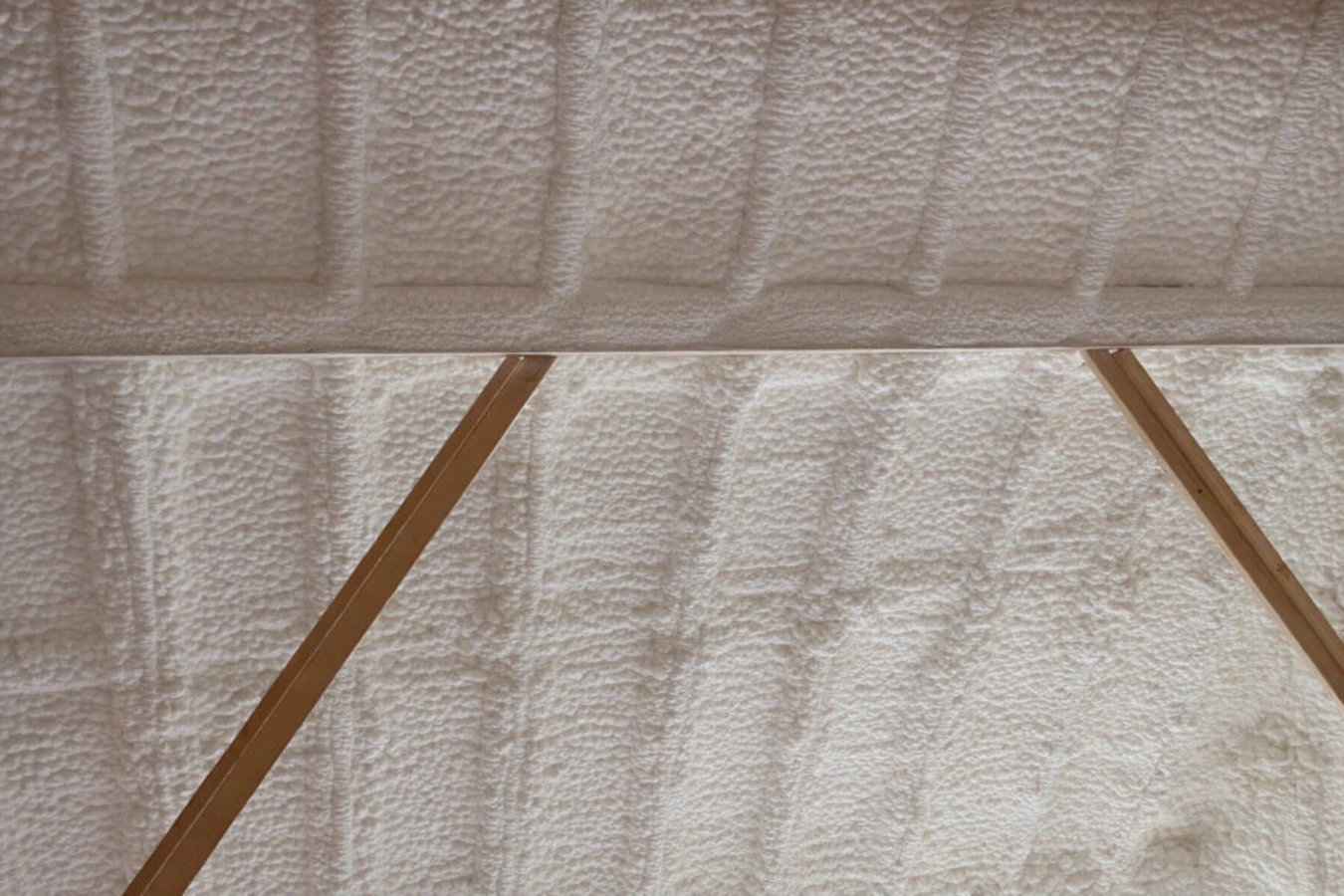
Open-cell spray foam fills every gap and crack in your attic, rim joists, and wall cavities - stopping drafts and heat loss that traditional batts simply cannot reach in Altoona's older homes.
Open-cell foam insulation in Altoona is a soft, expanding spray material that fills every gap, crack, and corner as it cures - sealing air leaks and insulating in one application, with most residential attic or crawl space jobs completed in one to four hours of active spray time.
Unlike fiberglass batts that stop at the edges of framing members and leave gaps around pipes and wires, open-cell foam conforms to whatever shape it contacts. That makes it particularly well-suited for Altoona homes built in the railroad era, where loose framing, irregular lumber, and decades of added penetrations create gaps that no pre-cut insulation material can reach. The result is a continuous air barrier that reduces both heat loss and unwanted air movement through your walls and ceiling.
Open-cell foam is often installed in the same home alongside closed-cell foam insulation in areas where moisture resistance is the priority - like crawl space walls or rim joists facing exterior groundwater. If you are not sure which product fits which space in your home, that is exactly what we sort out during the estimate.
If your gas or oil bill climbs sharply each October and stays high through April, your home is likely losing heat faster than it should. Altoona's long heating season means even a moderate air leak adds up to hundreds of dollars per year. That pattern repeating winter after winter is a strong signal that your insulation is missing, thin, or full of gaps around pipes and framing.
Walk through your home on a cold January morning and pay attention to temperature differences between rooms. If the bedroom at the end of the hall or the room directly under the roof feels noticeably colder than the living room, heat is escaping through the ceiling above you. This is a classic sign of inadequate insulation in the attic floor - one of the most common problems in Altoona homes built before 1960.
Spend five minutes in your attic with a flashlight. If you can see light coming through gaps around pipes, wires, or where the walls meet the floor framing, outside air is moving freely in and out of your home. In older Altoona homes - especially those built before World War II - these gaps are extremely common and are often the single biggest source of heat loss, even when some insulation is present.
Thick ridges of ice along the roof edge or icicles forming from your gutters during a cold snap are a sign that heat is escaping through your attic. When meltwater reaches the cold eaves, it refreezes and can eventually back up under your shingles and cause water damage inside. Properly insulating and air-sealing the attic floor is the most effective long-term fix - and one of the most common reasons Altoona homeowners call for a foam insulation estimate.
Open-cell foam works anywhere you need insulation and air sealing to happen at the same time - but the highest-return applications for Altoona homes are the attic floor, rim joists above the foundation, and interior wall cavities during renovation work. The attic floor is usually the first place we look in an older Altoona home because the ceiling-to-attic boundary is where heated air rises and escapes fastest. Rim joists are next: that strip of framing sitting directly on top of your foundation is rarely insulated in homes built before 1970, and sealing it with foam makes a noticeable difference in how warm your floors feel. For homeowners also considering commercial insulation for a small business property, we offer the same foam products and installation approach for light commercial buildings throughout Blair County.
In some homes, open-cell foam is the right choice throughout. In others, we recommend pairing it with closed-cell foam insulation in locations where moisture resistance is needed - like a damp crawl space or a basement wall that takes on groundwater. A whole-home approach can be phased over time if budget is a consideration. During your estimate, we map out which areas give you the most immediate comfort improvement for your investment and which can wait.
Best for Altoona homes where the attic is unconditioned and the primary goal is stopping heat loss through the ceiling.
Targets the framing gap above your foundation - one of the highest-impact and most cost-effective spots to insulate in any home.
Suited for renovation projects where walls are already open and air sealing plus insulation need to happen at the same time.
A good option for crawl spaces where moisture is not a significant concern and budget flexibility matters.
Altoona sits in a valley in the Allegheny Mountains, where average January lows fall into the teens and the heating season runs from October through April - six months or more. That sustained cold puts real financial pressure on any home with gaps in its thermal envelope, and the pressure is compounded by Altoona's housing stock. A large share of the city's homes were built between the 1880s and the 1950s during the Pennsylvania Railroad boom, with framing practices and materials that left significant air gaps in attics, walls, and floor systems. Open-cell spray foam is one of the most effective tools for addressing those gaps because it expands to fill shapes and corners that no pre-cut material can reach. Homeowners throughout Hollidaysburg and the surrounding Blair County communities we serve see the same older housing conditions, and the same opportunity for meaningful improvement from a well-done foam job.
Altoona also has a significant number of row homes and attached houses - particularly in neighborhoods closest to the old railroad shops - where the attic and crawl space carry the heaviest insulation burden because the shared walls limit heat loss from those sides. In these homes, a properly sealed attic floor is often the single change that eliminates cold upstairs rooms, reduces ice dam risk, and brings down the monthly heating bill. Homeowners in Duncansville and other nearby communities with similar housing patterns benefit from the same approach. The U.S. Department of Energy has detailed guidance on insulation types and where they work best if you want to read further before your estimate.
When you reach out, we ask what area you want insulated, whether you have noticed any specific problems like drafts or high bills, and roughly how old your home is. This helps us arrive prepared. Most Altoona homeowners can expect a return call the same day and an in-home visit scheduled within a few days.
We walk through your attic, crawl space, or the areas you want addressed - checking for moisture, gaps, and any existing insulation. This visit takes 30 to 60 minutes and ends with a written estimate delivered to you within one business day.
Before the crew arrives, clear stored items from the work area. Plan for you, your family, and pets to be out of the treated space for at least two to four hours after spraying - and ideally until the following morning. Your contractor will confirm the exact re-entry window in advance.
The crew arrives with spray equipment, lays protective coverings, and applies the foam in passes until the target thickness is reached. A typical attic or crawl space takes one to four hours of active spray time. Before leaving, they walk you through the finished work so you can see the coverage firsthand.
Free estimate, written quote before any work begins, no high-pressure sales - just an honest assessment of what your home needs.
(814) 552-1335A large share of Altoona's homes were built between the 1880s and the 1950s - before modern air-sealing standards existed. We know the framing patterns, the gaps that pre-cut batts miss, and what a proper foam job looks like in an attic or crawl space from that era.
We provide a written estimate after every in-home assessment, so you know exactly what the job covers and what it costs before you agree to anything. No verbal quotes that shift when the crew shows up.
Open-cell foam requires the right temperature and application technique to cure correctly. Patchy or thin coverage is a sign of a rushed job. Our installers are trained on the material and know how to read the conditions in each space before spraying - especially in Altoona's cooler months when temperature management matters. The Spray Polyurethane Foam Alliance sets the standards we follow for safe and effective installation.
Spray Polyurethane Foam AllianceEvery open-cell foam job starts with a free written estimate that spells out materials and labor. We document the finished work so you have a clear, verifiable record before and after we touch anything in your home.
Every open cell spray foam job we do starts with an honest look at your home and ends with you walking through the finished work before we leave. That combination of upfront assessment and final walkthrough is how we make sure the job actually solves the problem you called about.
The Spray Polyurethane Foam Alliance publishes detailed guidance on safe installation practices, re-entry times, and product performance if you want additional background before your estimate.
Spray foam, rigid board, and blown-in options for Altoona offices, retail spaces, and commercial buildings of any size.
Learn MoreThe higher-density spray foam option for crawl spaces, rim joists, and below-grade surfaces where moisture resistance matters.
Learn MoreAltoona winters are long and the heating season starts in October - call now to schedule your free estimate and lock in your installation date before the cold arrives.